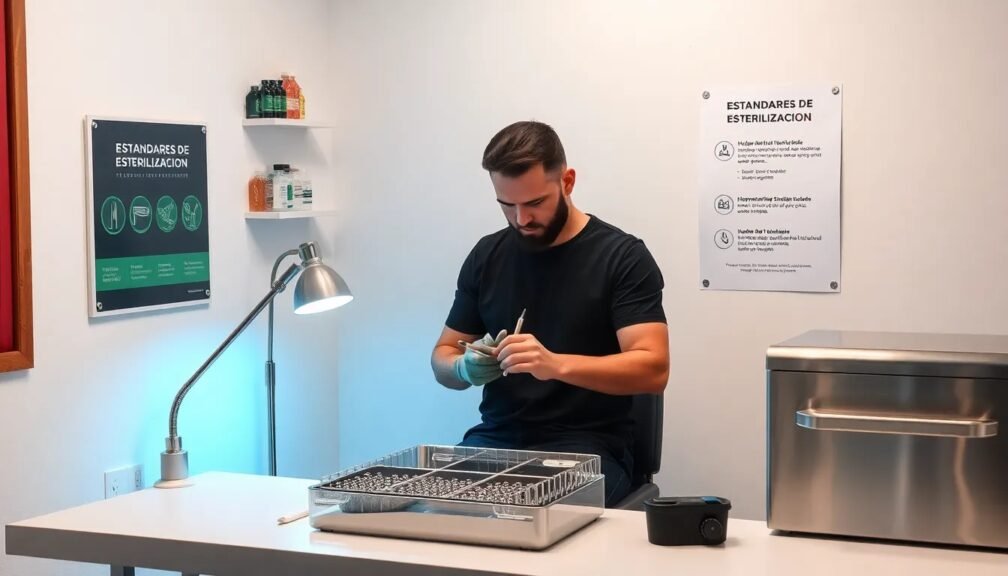
Tattoos have long been a form of personal expression, rich with cultural significance and artistry. As the popularity of tattoos grows, so does the necessity for strict tattoo sterilization standards. These standards are not merely regulatory hoops; they are crucial for ensuring the safety of clients and tattoo artists alike. In this article, we’ll explore the importance of tattoo sterilization standards, the risks associated with improper practices, and actionable insights to ensure safety and hygiene in tattoo parlors.
Understanding Tattoo Sterilization Standards
Tattoo sterilization standards are a set of guidelines and protocols that tattoo artists and parlors must follow to maintain a clean and safe environment. These standards encompass a variety of practices designed to minimize the risk of infections, diseases, and other complications arising from tattooing procedures. Key practices under these standards include:
- Use of disposable equipment: Items like needles and gloves should be single-use.
- Autoclaving: This process involves using high-pressure steam to sterilize reusable tools.
- Surface cleanliness: All work surfaces must be properly disinfected.
- Personal hygiene: Tattoo artists are required to maintain high levels of personal cleanliness.
The Importance of Tattoo Sterilization Standards
-
Preventing Infections
The first and foremost reason for adhering to tattoo sterilization standards is infection prevention. Tattoos involve breaking the skin barrier, which can expose clients to potential pathogens if proper hygiene is not maintained. According to the CDC, infections can arise from bacteria like Staphylococcus aureus, or even viruses like hepatitis B and HIV. Following sterilization standards significantly reduces these risks. -
Building Trust with Clients
Clients are more likely to choose a tattoo parlor that adheres to strict sterilization and hygiene practices. In today’s informed society, consumers are diligent in researching the safety practices of businesses. Demonstrating commitment to tattoo sterilization standards builds trust and reassures clients that their health is a priority. -
Reducing Liability
Failure to maintain proper sterilization can lead to serious health complications for both clients and tattoo artists. In cases of infection or disease transmission, tattoo parlors can face lawsuits or lose their licenses. By following established sterilization standards, businesses protect themselves from potential legal repercussions. -
Enhancing Professionalism
Adhering to sterilization standards enhances the overall professionalism of a tattoo business. Customers are often drawn to artists who showcase not only their artistic skills but also their commitment to hygiene. This professionalism can help attract repeat customers and referrals, significantly impacting the success of a parlour.
Risks of Poor Tattoo Practices
Health Complications
The consequences of inadequate tattoo sterilization can be dire. Here are some potential health complications arising from poor practices:
- Infections: Bacterial infections can lead to redness, swelling, and in severe cases, systemic infections.
- Bloodborne diseases: Sharing unsterilized needles can transmit serious diseases like hepatitis B, hepatitis C, and HIV, posing severe health risks.
- Allergic reactions: Unsanitary practices could lead to the use of contaminated ink, which can cause allergic reactions that may require medical attention.
Financial Costs
Neglecting tattoo sterilization standards not only risks health but can also result in significant financial costs. Infections and complications can lead to medical bills, loss of income, and potential lawsuits. The costs associated with legal action and reputational damage can devastate a business.
Best Practices for Tattoo Sterilization
To ensure the safest environment for tattooing, it’s imperative to adopt best practices in alignment with established tattoo sterilization standards. Here are some actionable insights:
1. Educate Yourself and Your Staff
Ongoing education is essential. Tattoo artists should regularly attend workshops and courses on hygiene and sterilization practices. Knowledge of the latest industry standards can help maintain a safe environment.
2. Invest in Quality Equipment
Investing in high-quality, sterilization equipment is vital. Here are some must-have items:
- Autoclaves: Ensure all reusable equipment is sterilized using a properly functioning autoclave.
- Single-use needles and ink caps: Limit contamination by using single-use items for each client.
3. Maintain a Clean Work Environment
Implement stringent cleaning protocols. Disinfect all surfaces in the tattoo area before and after each procedure. Regularly wipe down chairs, counters, and other equipment.
4. Use Proper Aftercare Techniques
Educate clients on proper aftercare techniques. This includes keeping the tattoo clean, avoiding sun exposure, and recognizing the signs of infection. Proper aftercare can significantly reduce the risk of complications post-procedure.
5. Implement a Sterilization Checklist
Having a checklist ensures compliance. This checklist should cover all aspects of sterilization and hygiene, from setting up the tattooing area to clean-up post-procedure.
6. Regularly Review and Update Procedures
Ensure that tattoo sterilization standards are regularly reviewed and updated according to the latest research and industry best practices. Staying informed about changes in regulations helps maintain safety.
Conclusion: Prioritize Safety in Tattooing
In the world of tattoos, safety should never be an afterthought. Adhering to tattoo sterilization standards not only safeguards the health of clients and artists but also enhances business credibility and fosters trust. The benefits of maintaining high hygiene standards extend beyond avoiding infections; they contribute to an overall positive customer experience.
For both artists and clients, understanding and prioritizing tattoo sterilization standards is essential. As you embark on your tattoo journey, or as you pave the way for successful tattooing practices, make informed decisions grounded in safety, hygiene, and professionalism.
Action Steps to Take
- If you are considering getting a tattoo, research parlors and ask about their sterilization practices.
- If you are a tattoo artist, continuously educate yourself and implement best practices for sterilization and hygiene.
- Stay updated on local health regulations and industry standards to ensure compliance and safety.
Remember, the artistry in tattooing should always be complemented by a commitment to safety.