In the world of body art, the portrait tattoo stands out as one of the most challenging yet rewarding forms of self-expression. Portrait tattoo artists possess the unique ability to transform living canvases into lifelike depictions of beloved figures, be they family members, iconic celebrities, or historical icons. In this article, we delve into the multifaceted role of a portrait tattoo artist, exploring techniques, tools, and tips to achieve stunning realism in tattoo art.
Understanding Portrait Tattoos
What is a Portrait Tattoo?
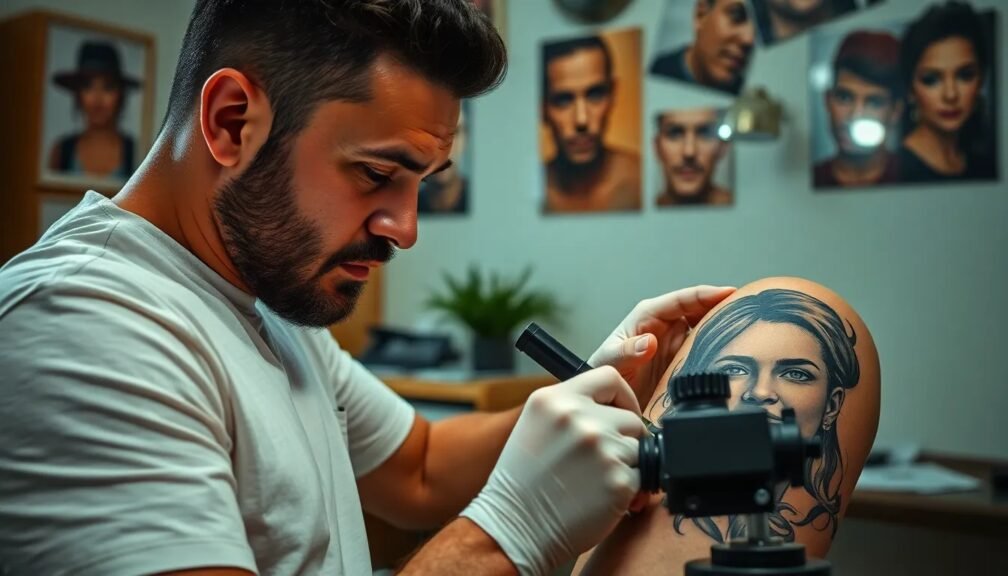
A portrait tattoo is a realistic representation of a person, typically characterized by intricate details that bring the image to life. Unlike other tattoo genres that can emphasize abstract designs or stylized elements, portrait tattoos aim for a lifelike portrayal, capturing features such as facial expressions, textures, and emotions.
The Popularity of Portrait Tattoos
The popularity of portrait tattoos has surged in recent years, thanks to social media platforms showcasing remarkable artistry. From heartfelt tributes to artistic renditions of famous figures, portrait tattoos resonate with individuals seeking to commemorate meaningful experiences or inspirations. This growing interest has led to a greater demand for skilled portrait tattoo artists.
The Skills of a Portrait Tattoo Artist
Artistic Talent and Training
A successful portrait tattoo artist must possess exceptional artistic talent. Many begin their journey as traditional artists, honing their drawing skills before transitioning into tattooing. Art forms such as painting or sketching serve as a foundational skill set and develop an eye for detail, proportion, and shading. Indeed, being a portrait tattoo artist requires rigorous training and often years of practical experience.
Mastering Realism Techniques
Realism is the hallmark of a great portrait tattoo. This requires mastery over various techniques, including:
- Shading: Capturing the play of light and shadow to create depth and dimension.
- Blending: Smooth transitions between colors and shades for a natural appearance.
- Detail Work: Focusing on fine lines and intricate details to accentuate features.
Color Theory
Understanding color theory is essential for a portrait tattoo artist. They must know how to mix colors effectively and how nuances in skin tone can impact the final outcome. This knowledge plays a crucial role in artists’ ability to bring images to life.
Tools of the Trade
Tattoo Machines
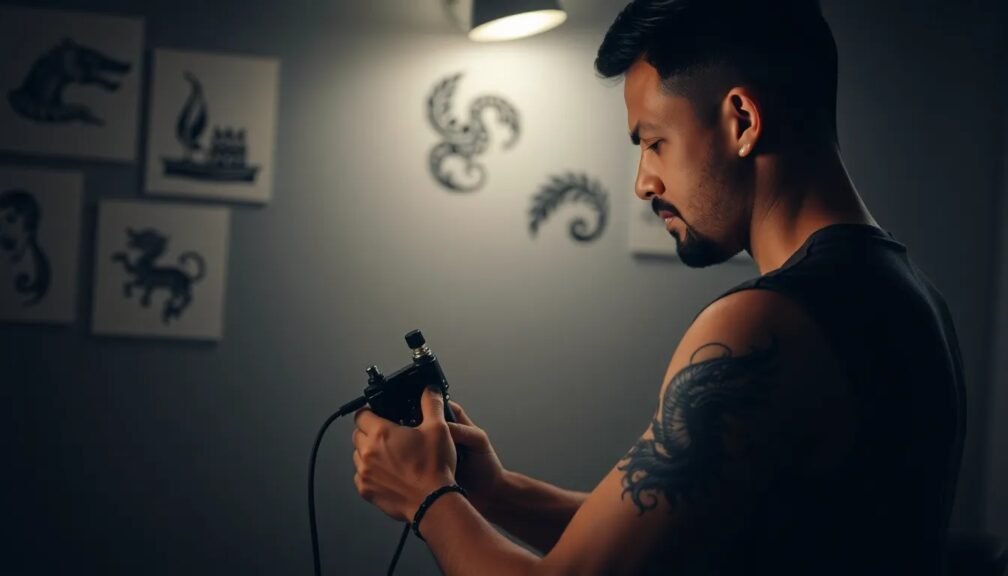
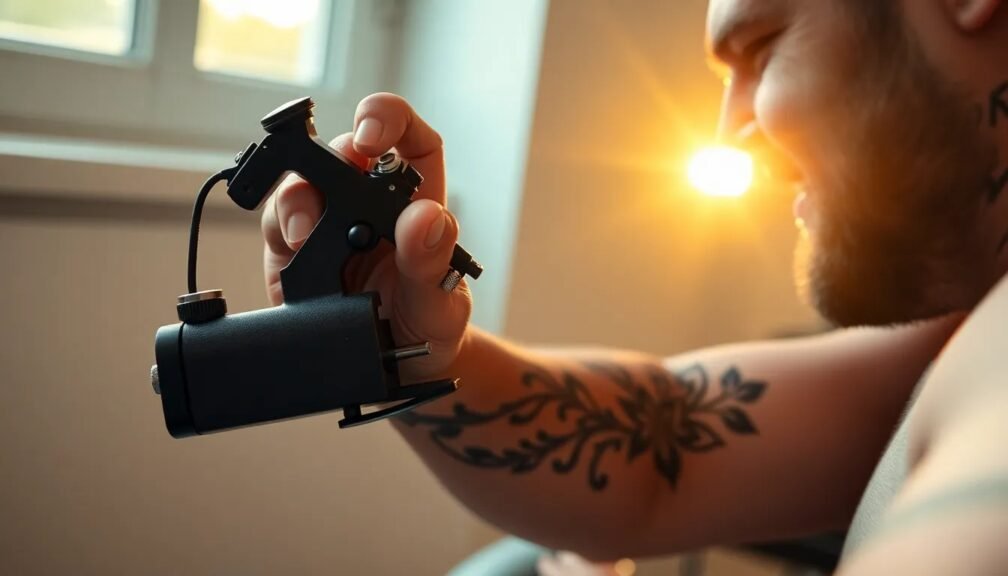
Portrait tattoo artists often utilize rotary or coil machines. Each type has its advantages, making it vital for artists to choose the right one that suits their style and technique.
Needles
Different needle configurations impact the outcome of a portrait tattoo. Lining needles, shading needles, and packers each serve specific purposes, allowing artists to manipulate details with precision.
Ink Quality
Using high-quality ink is paramount. The best portrait tattoo artists select inks known for their longevity and vibrancy, ensuring that the art withstands the test of time.
Skin Preparation and Aftercare
Before starting, portrait tattoo artists must prepare the skin properly. This includes sanitizing the area and ensuring that the canvas is in optimal condition for tattooing. Post-tattoo care is equally important to maintain the quality of the artwork.
The Process of Creating a Portrait Tattoo
Consultation with Clients
A successful portrait tattoo begins with understanding the client’s vision. During the consultation, the artist discusses ideas, preferred styles, and any specific details that the client would like to include. This step is crucial for aligning expectations and ensuring the artist can translate the concept into a tattoo.
Reference Selection
Choosing the right reference images is vital; these can come from photographs or existing artwork. The artist must select high-resolution images that offer clarity on intricate details, as these will guide the tattooing process.
Sketching and Design
Once the reference images are selected, the portrait tattoo artist typically sketches a draft of the design. Collaborating with the client at this stage ensures that any changes or adjustments can be discussed before the tattooing begins.
Tattooing Process
Tattooing takes time and careful execution. An artist specializing in portrait tattoos will often break the process into several sessions to ensure a quality finish without overwhelming the skin. Patience is key, and both the artist and client must allow adequate time for the artwork to develop.
Common Challenges for Portrait Tattoo Artists
Skin Variability
One of the challenges faced by portrait tattoo artists is the variability of human skin. Skin types differ significantly, affecting how ink is absorbed. An adept portrait tattoo artist knows how to adapt their techniques to suit the unique characteristics of each client’s skin.
Emotional Constraints
Capturing the essence of a loved one can sometimes become an emotional endeavor for both the artist and the client. Navigating the emotional landscape while ensuring artistic integrity is crucial in this field.
Maintaining Consistency
A portrait tattoo artist must maintain consistency across different sessions, especially for larger pieces. Ensuring that color palettes and styles align perfectly throughout the process often requires meticulous planning and skill.
Portrait Tattoo Trends
Black and Gray Realism
Many portrait tattoo artists favor black and gray realism due to its timeless appeal. This style emphasizes shading and depth, offering a classic look that resonates well across diverse clientele.
Color Portraits
On the flip side, color portraits have also gained popularity. Expert use of colors can evoke vivid emotions and bring personalities to life on the skin.
Geometric Elements
Some modern artists blend portraiture with geometric designs, providing a fresh take on traditional styles. This fusion of realism and abstraction captivates clients looking for something unique.
Conclusion: Master Your Craft as a Portrait Tattoo Artist
Becoming a proficient portrait tattoo artist requires a blend of artistic talent, technical skills, and a deep understanding of human emotion. By continually refining techniques, investing in high-quality tools, and developing a strong connection with clients, artists can elevate their work and create cherished pieces of art.
If you aspire to become a portrait tattoo artist, consider enrolling in art courses and seeking mentorship from experienced professionals. Always strive for continuous learning, as the field of tattoo artistry is ever-evolving.
Your journey as a portrait tattoo artist is not merely about creating body art; it’s about mastering the craft of realism and pushing the boundaries of expression. With dedication and creativity, you can create timeless masterpieces that resonate with your clients and enrich their lives.