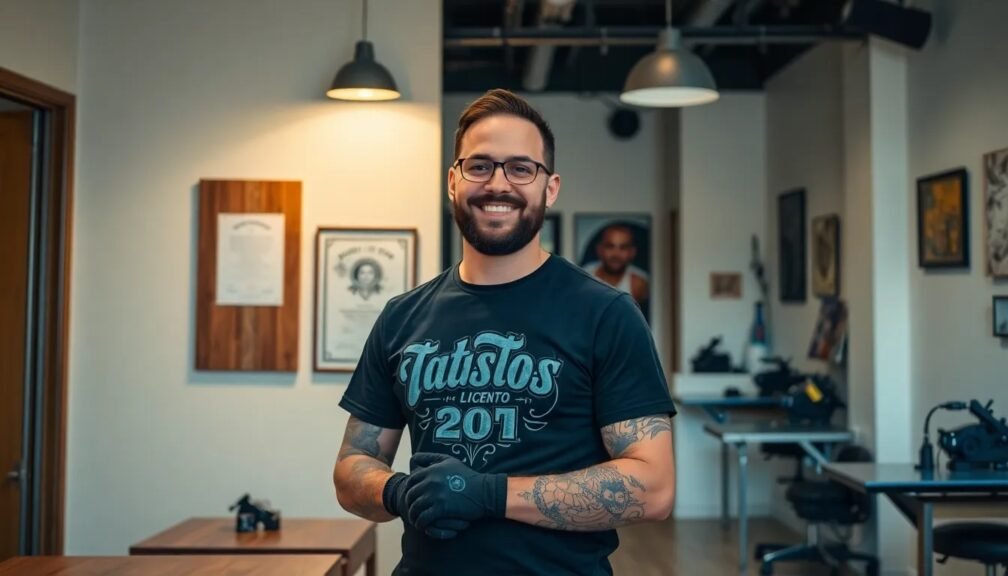
Tattoos have surged in popularity over the last few decades, evolving from mere rebellion to respected art forms. The tattoo parlor, once merely a storefront for displaying body art, has now transformed into an integral part of many people’s self-expression journeys. But how do you ensure that you receive a stunning piece of ink that truly resonates with you? This guide will delve into the fascinating world of tattoo parlors, offering insights into choosing the right artist, understanding styles, and ensuring a safe experience.
Understanding the Tattoo Parlor Environment
The Atmosphere of a Tattoo Parlor
Walking into a tattoo parlor can be both thrilling and intimidating. The decor often showcases various art styles, from traditional to abstract. The lively ambiance can be inviting, with music playing and artists working diligently on their clients. Most reputable tattoo parlors prioritize cleanliness and professionalism, ensuring that clients feel comfortable and safe.
Importance of Professionalism
A quality tattoo parlor maintains an aura of professionalism. This includes not only a sterile environment but also knowledgeable staff willing to explain the tattoo process to you. If you’re entering a parlor and feel unsure or uncomfortable, trust your instincts; it may be best to look elsewhere. A good tattoo artist will communicate clearly about the design, the pain level, and aftercare, putting your mind at ease.
Finding the Right Tattoo Artist
Research and Referrals
Before settling on a tattoo parlor, conduct thorough research. Ask friends or family for referrals, particularly if they have tattoos you admire. Online platforms, such as Instagram and Pinterest, are treasure troves for potential artists. Scrolling through portfolios will give you an insight into an artist’s style and skill level, and you can often find client reviews and testimonials.
Tattoo Styles and Specializations
Every tattoo artist has their unique style. Some specialize in traditional designs, while others excel in realism, watercolor, or geometric tattoos. When visiting a tattoo parlor, make sure to choose an artist whose portfolio aligns with the style you desire. This ensures you’re getting a tattoo that not only looks fantastic but also suits your vision.
Initial Consultations
Don’t shy away from scheduling consultations with different artists. This is your opportunity to discuss your ideas, gauge their enthusiasm, and assess their knowledge. A good artist won’t just accept your design without providing input; they’ll help refine your concept, ensuring it translates well onto skin. Use this meeting to ask questions about the tattoo process, pain management, and aftercare. A knowledgeable artist will gladly walk you through every detail, erasing any concerns you might have.
Preparing for Your Tattoo Appointment
Mental and Physical Preparation
Getting a tattoo is an experience that requires mental and physical readiness. Ensure you’re well-rested and have eaten a good meal prior to your appointment. Increased blood sugar levels can make the experience more manageable and reduce your stress levels.
What to Wear and Bring
Opt for comfortable clothing that gives easy access to the part of your body you plan to get tattooed. For instance, choose a tank top for arm tattoos or shorts for leg designs. Bringing along a water bottle or a snack can also help keep your energy levels up during the session.
Aftercare: The Unsung Hero
Aftercare is an integral part of the tattoo process. The tattoo parlor should provide detailed aftercare instructions, but it is essential to understand these before getting inked. Proper aftercare not only promotes healing but also preserves the vibrancy of your tattoo. Basic care often includes keeping the tattoo clean, applying ointments, and avoiding sun exposure and soaking in water.
The Tattooing Process: What to Expect
The Design Stage
Once you and your artist settle on a design, they will often create a stencil, which is then placed on your skin. You’ll have the opportunity to see the design in place and can suggest any last-minute adjustments. This proves crucial, as this stage ensures that the final product reflects your vision.
The Actual Tattooing
When the tattooing begins, a buzzing sound from the tattoo machine fills the room. Pain levels vary significantly based on design and body location. Generally, more fleshy areas tend to be less painful than bony or sensitive areas. Remember that each individual’s pain threshold is different, so remain relaxed and take deep breaths during the process.
The Healing Process
Healing times vary based on the individual and the tattoo size, but generally speaking, a tattoo may take between two weeks to a month to heal completely. Adhering to aftercare instructions provided by your artist is crucial for maintaining the tattoo’s quality and preventing infections.
Debunking Common Tattoo Myths
Tattoo Regret
One common concern is the fear of tattoo regret. Yes, some people do regret their tattoos, but careful consideration and thorough planning can mitigate this risk. Make sure to choose a design and placement that truly resonate with your identity and lifestyle.
Tattoos and Professionalism
Many people believe that tattoos hinder professional opportunities. However, societal attitudes toward tattoos have evolved significantly, with many industries becoming more accepting. Ultimately, it’s about your skills and work ethic, not the ink on your skin.
The Pain Factor
People often fear the pain associated with getting inked. While it does vary depending on location and design, many describe it as more of an intense sensation rather than outright pain. Preparation, including being well-rested and calm, can significantly influence your experience.
Conclusion: Your Tattoo Journey Awaits
Choosing the right tattoo parlor is more than just picking a place; it’s an intricate part of a personal journey that involves creativity and self-expression. By understanding the elements that contribute to a quality tattoo experience—from choosing the right artist to ensuring effective aftercare—you can equip yourself with the insights needed to make informed decisions.
The tattoo culture is as diverse as the individuals who participate in it. Embrace your uniqueness, cherish your tattoo experience, and take pride in your stunning ink. Remember, your journey doesn’t end once you leave the tattoo parlor. Engaging in conversations, sharing stories, and maintaining your tattoo can turn this experience into a rich part of your life narrative. So go ahead and embark on your tattoo adventure; the perfect ink awaits!